A practical way to think about change
Most organisations do not struggle to come up with ideas for change.
They struggle to make those ideas work in the reality of day to day work.
You might be trying to introduce a new system, redesign a service, integrate after a merger, or shift how teams collaborate. On paper, the plan makes sense. In practice, things move more slowly than expected, or not at all.
Sometimes the issue is not the plan itself, but how the situation is being approached in day to day work.
Change is shaped in plans and made real in practice.
Most change efforts focus on what needs to be delivered.
- New structures
- New processes
- New products or services
But any change like this asks people to show up differently in their work. To make different decisions. To interact with different systems. To form new habits and relationships.
For change to last, your formal plans need to work with how people actually make decisions, form habits, and build working relationships.
Morphology’s approach focuses on helping organisations understand and work with both formal design and day-to-day practice at the same time.
Successful change starts with understanding these three pillars


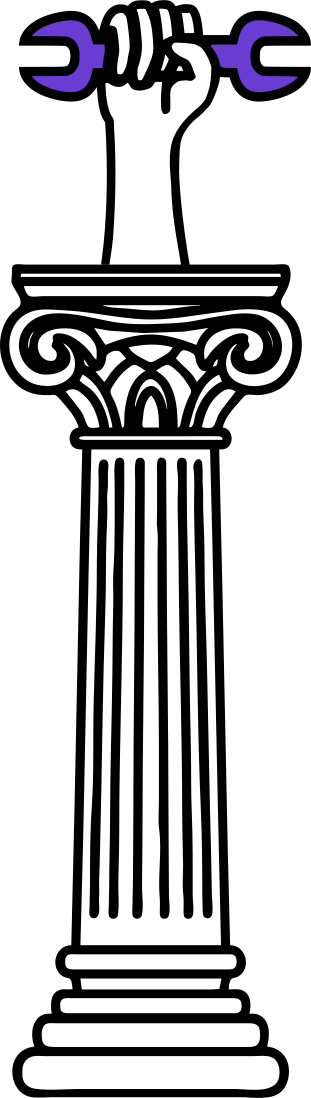
Why you are making the change
What needs to change
How you will support people to make it happen
Why you are making the change
What needs to change
How you will support people to make it happen
It is natural to want to move quickly into solutions.
But skipping over why you need to change often leads to plans that feel urgent at the time and are quietly abandoned later.
Clarifying your why helps you define the destination you are trying to reach, and make consistent decisions about how to get there.
Most organisational change involves shifting one or more parts of how work gets done.
This might include who makes decisions, how teams work together, how services are delivered, or how systems are used day to day.
Changes in these areas rarely happen in isolation. Moving one often means supporting change in others.
Any change, whether structural, technical or cultural, asks people to work differently.
You can choose how you prepare and support them to do this. You cannot choose not to.
So the question becomes: where will that difference actually need to show up in your organisation?
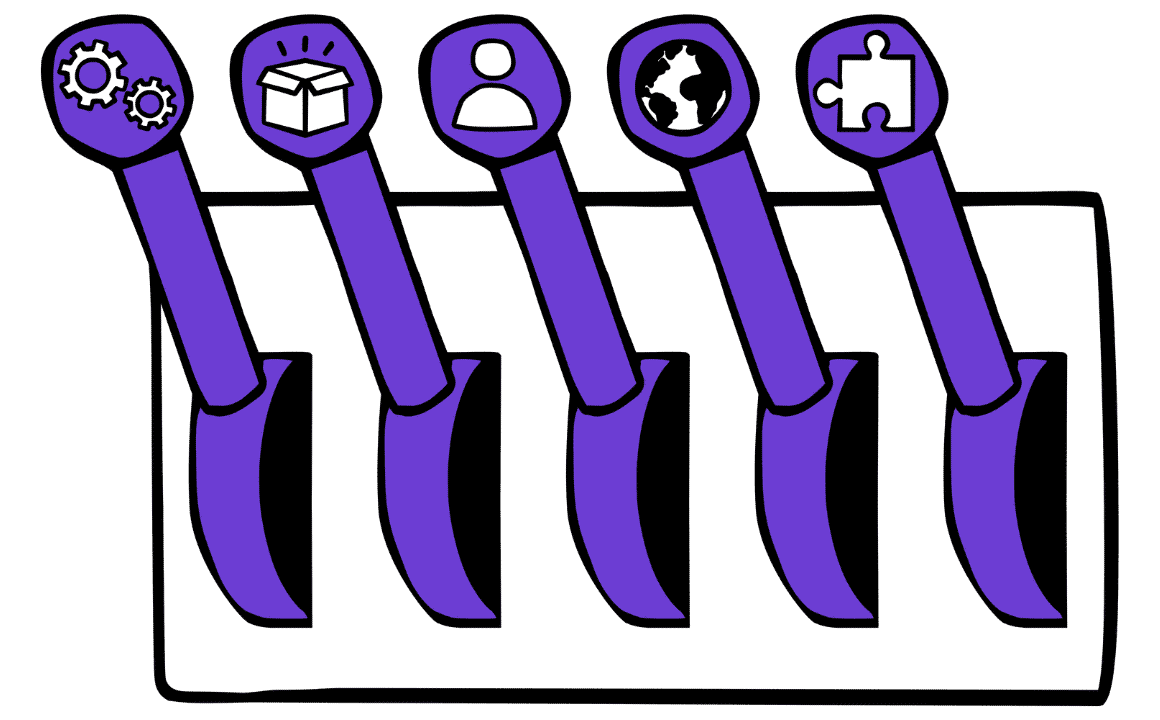
What needs to move
What actually needs to move for change to work in practices.
In most organisations, this means shifting one or more of the following:
- Operating model
- Product or service
- People
- Culture
- Integration after merger or acquisition
Getting clearer on where the change really sits for you can be a useful first step in understanding what kind of support might be needed.
What this could mean in practice
If this way of thinking reflects what you are dealing with, you might want to explore:
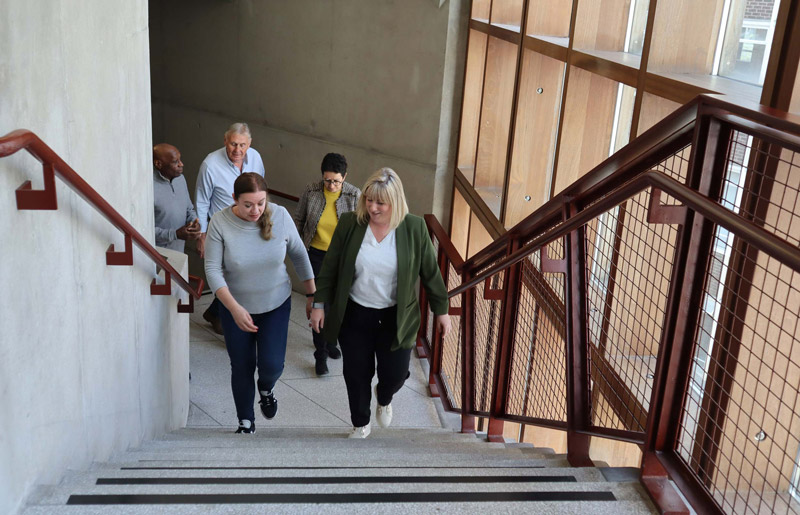
How this translates into practical support
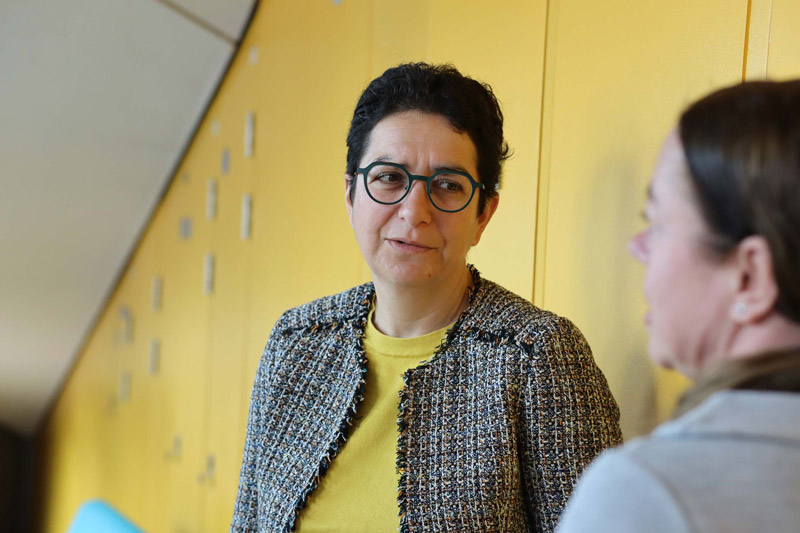
Examples of change in real organisational settings